BMW Downpipes: Power Gains, CEL Risk, and What to Know Before You Buy
Downpipes are one of the highest-impact exhaust changes you can make on many BMWs—especially turbo models. They can improve flow and unlock power, but they also come with tradeoffs that beginners often ignore: check engine light risk, emissions-related complications, noise, and fitment details that matter.
This guide explains what downpipes do, what “gains” usually means in real life, why a CEL can happen, and the fitment-first way to shop without guessing.
Quick Answer
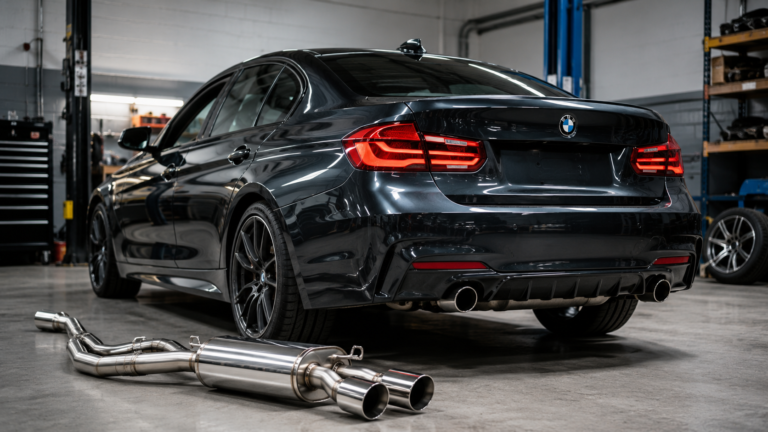
- If you want the safest “sound upgrade”: start with a cat-back (not downpipes).
- If you want power-focused changes: downpipes can matter, but expect higher complexity and potential CEL risk.
- If you’re a beginner: do not make downpipes your first exhaust mod.
Fitment-first browsing: Shop Exhaust Systems & Parts by Model
What Is a Downpipe?
On many BMWs (especially turbo engines), the downpipe is the exhaust section closest to the turbocharger. Because it sits near emissions components and sensors, changes here can affect how the car monitors exhaust flow and catalyst efficiency.
Why it matters: changes closer to the engine/turbo tend to have a bigger impact than changes at the rear of the car, but they also create more opportunities for warning lights and compliance issues.
How Much Power Do Downpipes Add?
Downpipes can support meaningful gains on turbo BMWs, but results depend on engine, supporting mods, and tuning. Think of downpipes as a “power-enabling” mod rather than a guaranteed horsepower button by themselves.
Reality check: if you’re not tuning and you just want better sound, a cat-back usually makes more sense.
Will Downpipes Cause a Check Engine Light?
They can. Because downpipes are near emissions monitoring sensors, changes can trigger fault codes depending on configuration and how your BMW checks catalyst efficiency.
- More likely: changes that alter catalyst behavior/efficiency monitoring.
- Less likely: cat-back/axle-back systems (they are typically behind the main monitoring points).
If you want the big-picture CEL guide (what to do first, common codes, when to stop driving): BMW Check Engine Light: Common Causes, Codes, and Fixes
If you need a scanner to confirm what’s happening: Best BMW Diagnostic Tools for DIY Owners
Daily-Driver Tradeoffs (Be Honest With Yourself)
- Noise: downpipes can increase volume and change tone more than you expect.
- Smell/comfort: depending on configuration, you may notice more odor or harshness.
- Maintenance complexity: install, hardware, and fitment are less forgiving than rear-section mods.
- CEL risk: you must be prepared to diagnose and address codes if they appear.
Common Mistakes to Avoid
- Buying downpipes as your first exhaust mod because you saw “big gains” online.
- Ignoring fitment details (engine, chassis, drivetrain, and sensor locations matter).
- Assuming your BMW will behave like another model (monitoring strategies differ).
- Stacking random parts and then trying to “tune out” problems later.
Fitment-First: How to Shop Downpipes the Right Way
Don’t guess. Filter by your BMW and confirm your chassis/engine before ordering.
Browse by fitment: Shop Exhaust Systems & Parts by Model
Choose the right BMW exhaust path next
If you are still deciding whether downpipes make sense for your BMW, the smarter next step is choosing the right exhaust path by goal and risk level before buying parts at random.
- Want the safest beginner exhaust path? Best BMW Exhaust for Daily Driving
- Still deciding across exhaust categories? BMW Exhaust Upgrades: How to Choose (Cat-Back vs Axle-Back vs Downpipes)
- Want the broad cat-back starting point instead? Shop Cat-Back Systems
- Need fitment-first exhaust browsing? Browse Exhaust Parts by Fitment