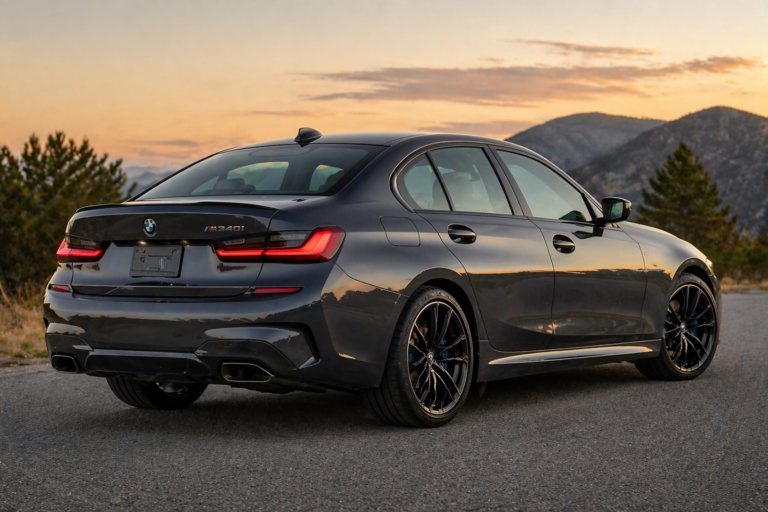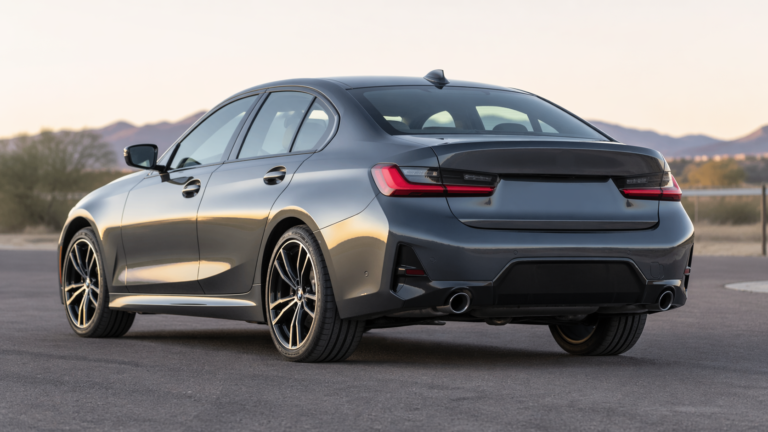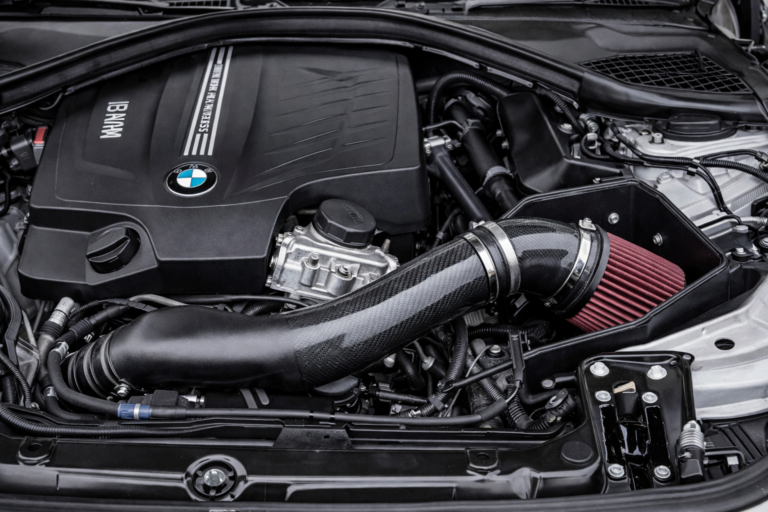
How to Choose a Cold Air Intake for BMW (Fitment, Heat Shielding, Sound)
If you want more intake sound and sharper throttle response, a cold air intake is one of the most popular BMW upgrades. The problem is most wrong purchases happen because people shop by brand or “3 Series” labels instead of fitment.
This is a fitment-first checklist for choosing the right BMW intake based on what actually matters: chassis/engine compatibility, heat shielding, and sound—without creating install headaches.
Quick fitment link: Compare intake options by BMW engine and chassis before you buy: Find intakes that fit your BMW
Step 1: Fitment First (Chassis + Engine)
BMW intake kits are usually platform specific. “BMW intake” and even “330i intake” can be misleading because fitment changes by chassis generation.
- Always confirm your chassis (example: F30 vs G20).
- Only buy kits that explicitly list your model/engine fitment.
- If the listing is vague (“fits BMW 3 Series”), treat it as a risk.
Step 2: Choose Your Goal (Sound vs Daily vs Performance)
Daily driver (best “no regrets” path)
- Prioritize correct fitment and quality couplers/clamps.
- Prefer sealed/heat-shielded designs when available.
- Choose a setup that won’t drone your ears with constant induction noise.
If daily driving is your priority, read this next: Best BMW Intake for Daily Driving: Sound, Heat, CEL Risk, and What to Avoid
Sound-first
- Open filter setups are typically louder.
- Expect more “whoosh” and induction sound, especially under throttle.
Performance build
- Fitment and heat management matter more when you’re pushing the platform.
- Buy a proven kit designed for your chassis and intended setup.
Step 3: Sealed vs Open (What Heat Shielding Changes)
For most BMW owners, the sealed vs open debate is really about consistency and heat soak.
- Sealed/heat-shielded: often more consistent in traffic and warm conditions.
- Open filter: usually louder, often more exposed to engine bay heat.
Neither is “always wrong.” Pick based on your goal and environment, but don’t ignore heat management if you daily drive.
Step 4: Avoid the Two Mistakes That Cause Most Regret
Mistake #1: Brand-first shopping
Brand comes after fitment. The wrong kit wastes time and money.
Mistake #2: Sloppy install that creates leaks
A small leak at a coupler or poor sensor seating can trigger drivability issues or a CEL.
If you want the broader downside and regret angle before buying, read this next: BMW Cold Air Intake Problems: CEL, Heat, Noise, and What Owners Regret
- Double-check clamps/couplers.
- Confirm sensor seating and connectors.
- If you get a CEL, pull codes before guessing.
Where to Go Next
- Best by model and budget: Best Cold Air Intakes for BMW
- Shop by exact fitment: Find intake kits that fit your BMW
- Best daily-driver path: Best BMW Intake for Daily Driving: Sound, Heat, CEL Risk, and What to Avoid
- If you get a CEL after install: Cold Air Intake Install Mistakes That Trigger a CEL
Bottom Line
Choosing a BMW intake is simple when you follow the right order: fitment first, then your real goal (daily driving, sound, or performance), then heat management. That avoids wrong-fit kits, reduces regret, and makes it easier to choose an intake you will actually be happy living with.