BMW Check Engine Light: Common Causes, Codes, and Fixes
Seeing a check engine light on your BMW can be frustrating—especially when the car still seems to drive fine. BMWs are sensitive vehicles, and even small issues can trigger a warning light long before a serious problem develops.
This guide breaks down the most common BMW check engine light causes, the fault codes typically associated with them, and what you can do next—whether you plan to fix the issue yourself or simply want to understand what’s going on before visiting a shop.

What the BMW Check Engine Light Means
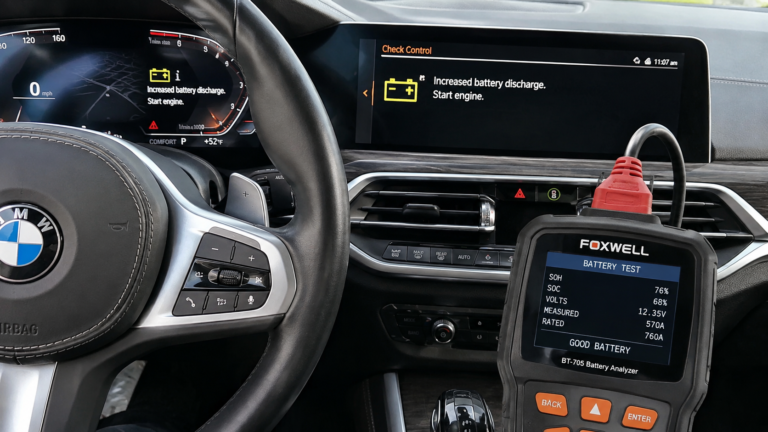
The check engine light (CEL) indicates that the engine control unit (ECU) has detected a fault affecting emissions, performance, or reliability.
There are two common scenarios:
- Solid check engine light – Usually safe to drive short distances, but the issue should be diagnosed soon
- Flashing check engine light – Indicates a misfire that can damage the catalytic converter; stop driving if possible
Ignoring the light for too long can turn a minor issue into an expensive repair.
Most Common BMW Check Engine Light Causes
1. Faulty Ignition Coils or Spark Plugs
BMW ignition coils are a known wear item, especially on turbocharged engines.
Common symptoms:
- Rough idle
- Hesitation under acceleration
- Reduced power
- Flashing CEL under load
Typical fault codes:
- P0300 (random misfire)
- P0301–P0306 (cylinder-specific misfires)
Replacing coils and plugs early can prevent further damage.
When a check engine light points to worn plugs or an ignition-related misfire, compare the estimated BMW spark plug replacement price for dealer, independent shop, and DIY service.
2. Mass Air Flow (MAF) Sensor Issues
The MAF sensor measures incoming air so the ECU can calculate fuel delivery accurately.
Common symptoms:
- Poor throttle response
- Rough idle
- Decreased fuel economy
Typical fault codes:
- P0100–P0102
- Lean condition codes (P0171, P0174)
Dirty or failing MAF sensors are common, especially on vehicles with aftermarket intakes or aging air filters.
3. Vacuum Leaks
BMW engines rely heavily on vacuum-operated systems. Over time, hoses, gaskets, and plastic fittings become brittle.
Common symptoms:
- High or unstable idle
- Whistling or hissing sounds
- Lean running conditions
Typical fault codes:
- P0171 / P0174 (system too lean)
Vacuum leaks are especially common on older BMWs and can be difficult to spot without proper diagnostics.
4. Oxygen (O2) Sensor Failure
O2 sensors monitor exhaust gases to adjust air-fuel ratios.
Common symptoms:
- Poor fuel economy
- Rough running
- Emissions-related warnings
Typical fault codes:
- P0130–P0161
BMWs use multiple O2 sensors, and failure of just one can trigger the check engine light.
5. Fuel System Problems
Fuel delivery issues can also trigger engine warnings.
Common causes:
- Weak fuel pump
- Failing fuel injectors
- Low fuel pressure
Typical fault codes:
- P0087
- P0171 / P0174
Fuel-related problems often show up under load or during hard acceleration.
If your BMW has a burning-oil smell, smoke from the engine bay, or low oil warnings, read this next: BMW Oil Leak: Common Causes, Repair Costs & What to Fix First.
If your BMW has overheating warnings, coolant messages, or temperature-related drivability issues, read this next: BMW Cooling System Problems by Model: What Fails and When.
Why BMW Diagnostics Matter More Than Guessing
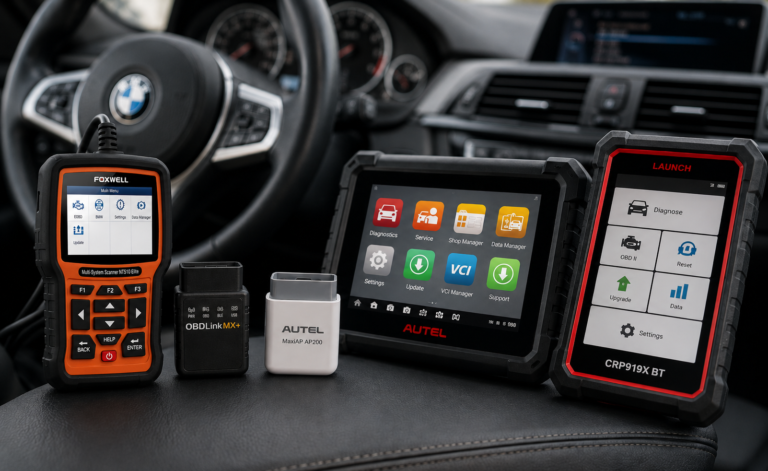
Unlike generic vehicles, BMWs use manufacturer-specific fault codes and systems. A basic code reader may tell you something is wrong, but it often won’t explain why or how serious the issue is.
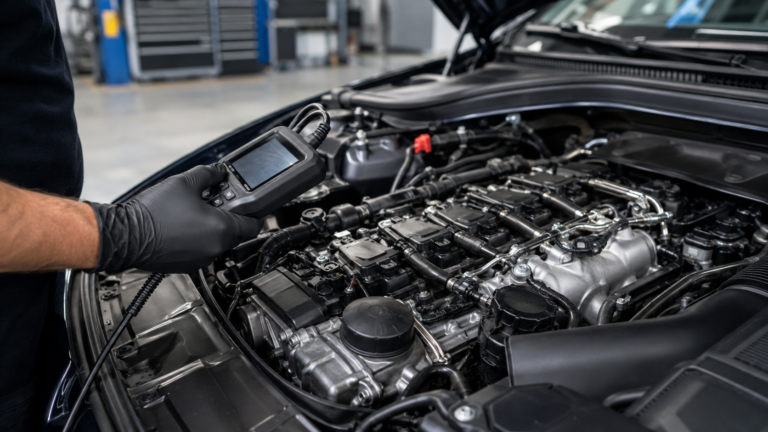
Using BMW-capable diagnostic tools allows you to:
- Read manufacturer-specific fault codes
- See live engine data
- Reset warnings properly
- Avoid unnecessary part replacement
If you plan to troubleshoot issues yourself, understanding what code is stored is the most important first step.
Already pulled a code? Use our BMW fault code guide to look up common check engine and OBD2 codes, see what they mean, and find the first things to check before replacing parts.
Is It Safe to Drive With the Check Engine Light On?
Generally:
- Solid light: Short trips are usually safe, but diagnose soon
- Flashing light: Stop driving as soon as possible
Continuing to drive with an unresolved issue can damage catalytic converters, turbo components, or engine internals.
When to Fix It Yourself vs Visit a Shop
DIY-friendly fixes:
- Replacing coils and spark plugs
- Cleaning or replacing MAF sensors
- Inspecting visible vacuum hoses
Shop-recommended repairs:
- Persistent misfires
- Fuel pressure issues
- Internal engine faults
Knowing the fault code helps you decide whether a DIY repair makes sense or if professional diagnosis is needed.
Final Thoughts
A BMW check engine light doesn’t always mean something catastrophic—but it should never be ignored. Most issues start small and become expensive only when left unresolved.
Understanding common causes and fault codes puts you in control, whether you’re fixing the problem yourself or walking into a repair shop informed and prepared.