BMW Brake Pad Warning Light: What It Means, What Causes It, and What to Do Next
If your BMW brake pad warning light has appeared, the car is telling you that the brake system needs attention. In many cases, the warning is related to worn brake pads or the electronic brake pad wear sensor, but the first step is to confirm exactly which brake warning your BMW is displaying.
A BMW brake pad warning does not automatically mean you need to replace every brake component. Depending on the condition of the pads and sensor, you may need brake pads, a wear sensor, both, or simply additional troubleshooting after previous brake work.
This guide explains what the BMW brake pad light usually means, how urgent it may be, what to inspect first, and what to do if the warning remains after replacing the brakes.
This page contains affiliate links. If you buy through them, we may earn a commission at no extra cost to you.
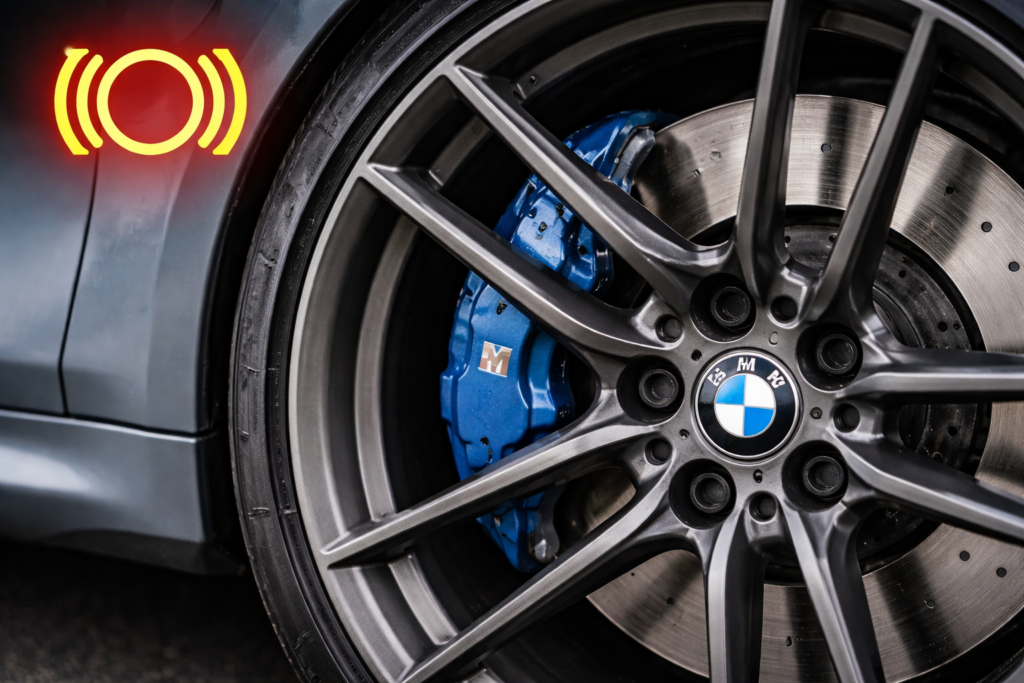
BMW Brake Pad Warning Light: Quick Answer
The BMW brake pad warning light usually means it is time to inspect the brake pads and brake pad wear sensor. If the pads are worn and the sensor has been triggered, both may need replacement before the brake-service warning can be cleared successfully.
| What You Notice | Likely Direction | What to Do Next |
|---|---|---|
| Brake pad warning with older pads | Normal pad wear or triggered wear sensor | Inspect front and rear brake pad thickness |
| Warning appeared after a brake job | Sensor, installation, or reset problem | Check the wear sensor and reset procedure |
| New pads but warning remains | Triggered sensor reused, damaged wiring, or unsuccessful reset | Troubleshoot the sensor and service warning |
| Grinding, scraping, pulling, or poor braking | Possible brake component or system problem | Have the braking system inspected before normal driving |
| ABS, DSC, red brake-system warning, or another message | May not be a simple brake-pad warning | Identify the exact BMW warning before diagnosing it as pad wear |
What Does the BMW Brake Pad Warning Light Mean?
BMW uses brake-service monitoring along with brake pad wear sensors on many models. As the brake pads wear, the sensor can eventually be triggered and the vehicle can display a brake-pad service warning.
The important point is that the warning is a signal to inspect the brakes. It does not tell you everything about the condition of the braking system.
- It does not tell you the exact thickness of every brake pad.
- It does not confirm whether the rotors also need replacement.
- It does not guarantee that all pads are wearing evenly.
- It does not mean that every BMW brake warning is caused by pad wear.
The exact symbol, color, wording, and service information can vary by BMW model, model year, and operating system. If you are unsure which warning you have, check the message in the instrument cluster or iDrive and confirm it with the owner’s information for your specific BMW.
Why Did My BMW Brake Pad Warning Come On?
There are several common reasons a BMW brake pad warning can appear.
1. The Brake Pads Are Worn
This is the first thing to check. Brake pads gradually lose friction material during normal driving, and eventually they require replacement.
How quickly BMW brake pads wear depends on driving style, traffic, vehicle weight, brake compound, and the type of driving the car sees.
2. The Brake Pad Wear Sensor Has Been Triggered
The wear sensor is part of the brake-service monitoring system. Once a sensor has been worn or damaged as the brake pads reach their service limit, replacing the pads alone may not be enough to clear the warning.
If the sensor has been triggered, worn, or damaged, see our BMW brake pad wear sensor replacement guide for how the sensor works, when it needs replacement, typical cost, and what to check before ordering parts.
3. The Wear Sensor or Wiring Is Damaged
A damaged sensor, broken connector, pinched wire, or incorrect sensor routing can also cause problems with the brake-service warning.
This becomes especially important if the warning appeared immediately after brake service or if the pads still have plenty of usable material.
4. The Brakes Were Replaced but the Service Warning Was Not Reset
After the necessary brake work has been completed, the brake-service reminder may also need to be reset. The exact procedure varies by BMW generation.
If your brake service is complete and you only need to clear the reminder, use our BMW brake pad sensor reset guide.
5. The Warning Remains After the Reset
If new pads have been installed and you already attempted the normal reset procedure, stop repeatedly resetting the system and check the sensor, wiring, installation, and completed brake work instead.
We cover that situation separately in BMW Brake Warning Still On After Reset? What It Usually Means.
How Urgent Is a BMW Brake Pad Warning?
A BMW brake pad light should not be ignored, but the warning by itself does not tell you the complete condition of the braking system.
If the car is braking normally and the message is specifically a brake-pad service warning, inspect the brakes and schedule the necessary service rather than continuing to drive indefinitely without checking them.
Treat the situation more seriously if you notice any change in actual braking performance. Grinding or scraping noises, pulling while braking, a soft or sinking brake pedal, visible fluid leakage, poor braking performance, or additional brake-system warnings require more than a simple service-light reset.
If braking performance is compromised or you are unsure whether the vehicle is safe to drive, have the car inspected rather than relying on the dashboard warning alone.
What Should You Check First?
If your BMW brake pad warning has appeared, work through the problem in this order.
- Read the exact warning. Make sure the car is actually reporting brake-pad service rather than another brake, ABS, DSC, parking-brake, or brake-fluid warning.
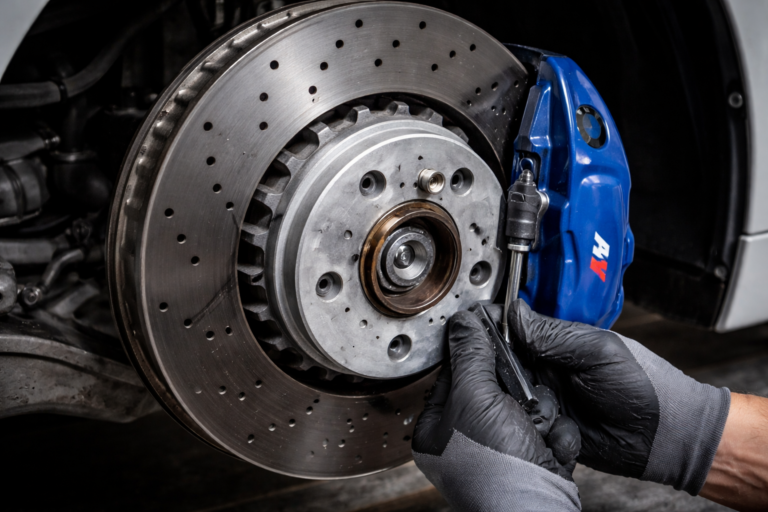
- Inspect the brake pads. Check the remaining pad material on the front and rear brakes if you can do so safely.
- Look for uneven wear. Do not assume the visible outer pad tells you the condition of every pad on the axle.
- Inspect the rotors. Look for obvious scoring, damage, or other signs that the job may require more than pads.
- Check the wear sensor. Determine whether it has been triggered, damaged, disconnected, or installed incorrectly.
- Think about when the warning started. A warning before brake service and a warning immediately after brake service point to different troubleshooting paths.
- Reset the service reminder only after the required work is complete.
Do You Need Brake Pads, a Wear Sensor, or Both?
This is one of the most important questions to answer before buying BMW brake parts.
| Situation | Likely Parts or Next Step |
|---|---|
| Brake pads are worn and the wear sensor has been triggered | Brake pads plus the appropriate replacement wear sensor |
| Brake pads are worn but the sensor has not been damaged | Replace the pads and inspect the sensor before deciding whether it also needs replacement |
| New pads installed but warning remains | Check sensor condition, installation, wiring, and reset procedure |
| Sensor wire or connector is damaged | Replace or repair the affected sensor component as appropriate |
| Pads appear healthy but warning appeared unexpectedly | Inspect the sensor and system before buying another set of pads |
BMW brake fitment can vary by chassis, model year, front or rear axle, rotor size, and brake package, so confirm the exact application before ordering parts.
Which BMW Brake Pads Should You Buy?
If inspection confirms that the pads need replacement, the best choice depends on how you use the car.
| Your Priority | What to Look For |
|---|---|
| Normal daily driving | Street-oriented replacement pad with predictable cold braking and low noise |
| Less brake dust | Low-dust street compound |
| Quiet commuting | Street pad designed around noise and comfort |
| Spirited street driving | Performance-oriented street pad with stronger bite and acceptable daily-driving manners |
If you’re not sure which type makes sense for your BMW, start with our Best BMW Brake Pads for Street Driving guide.
You can also compare ceramic vs semi-metallic BMW brake pads if brake dust, noise, and street performance are your main concerns.
BMW Brake Pad Warning but the Pads Look Good
If the pads appear to have usable material left but the BMW brake pad light is on, do not immediately assume the car needs another complete brake job.
Check whether the wear sensor has been damaged or triggered, whether its wiring and connector are intact, and whether previous brake work was performed recently.
Also remember that the pad you can see most easily may not represent the condition of every pad on the axle. Uneven brake wear can make a quick visual check misleading.
If the warning appeared immediately after new pads or a sensor were installed, troubleshooting the completed brake service makes more sense than simply buying another set of pads.
BMW Brake Warning Still On After Replacing the Pads?
If the brake pads have already been replaced but the warning remains, the issue may involve the wear sensor, sensor wiring, installation, or the service-reset process rather than the new pads themselves.
Common things to check include:
- A triggered or damaged wear sensor
- A sensor that was not connected correctly
- Pinched or damaged sensor wiring
- Incomplete brake service
- An unsuccessful brake-service reset
- A different axle still requiring service
We cover those problems in detail in our dedicated BMW brake warning still on after reset troubleshooting guide.
Common BMW Brake Pad Warning Mistakes
- Resetting the warning before checking the brakes. A dashboard reset does not restore worn brake pads.
- Replacing pads without inspecting the wear sensor. A triggered or damaged sensor can still require attention.
- Assuming every brake warning means worn pads. BMWs can display other brake-related warnings that require different diagnosis.
- Ordering parts by model name alone. Brake fitment can vary within the same BMW model depending on year and equipment.
- Ignoring the rotors. A brake-pad service is also an opportunity to inspect rotor condition.
- Ignoring abnormal brake feel or noise. Grinding, pulling, pedal problems, or reduced braking performance should not be treated as merely a service-light issue.
BMW Brake Pad Warning Light FAQ
Does the BMW brake pad warning light mean I need new brake pads?
It commonly means the brake system needs inspection for pad wear, but you should confirm the actual pad condition before ordering parts. A triggered or damaged wear sensor, previous brake service, or another brake-related issue can also affect the warning.
Can I keep driving with the BMW brake pad warning light on?
Do not use the warning as a fixed mileage countdown. Inspect the brakes and determine why the warning appeared. If you notice grinding, pulling, poor braking, pedal problems, fluid leakage, or another brake-system warning, have the vehicle inspected before continuing normal driving.
Do I need to replace the BMW brake pad wear sensor?
If the sensor has been triggered, worn, or damaged, replacement may be necessary as part of the brake service. If it has not been triggered, inspect its condition and verify the correct service procedure for your particular BMW.
Why is my BMW brake pad warning still on after new pads?
Possible causes include a triggered sensor that was reused, damaged sensor wiring, incorrect sensor installation, incomplete service, or an unsuccessful reset. Use the dedicated post-service troubleshooting guide rather than repeatedly attempting the reset.
Can I reset the BMW brake service light without changing the pads?
You should first determine why the brake service warning appeared. Resetting a service reminder does not correct worn brake components. If the required brake work has already been completed, follow the proper reset procedure for your BMW.
Does every BMW wheel have a brake pad wear sensor?
Sensor configuration varies by BMW model and brake system. Do not assume that every wheel uses an identical sensor arrangement. Confirm the correct front or rear sensor and brake fitment for your exact vehicle before ordering replacement parts.
Final Recommendation
If your BMW brake pad warning light comes on, start by identifying the exact warning and inspecting the brakes rather than immediately trying to clear the service message.
If the pads are worn, confirm the correct front or rear brake fitment and determine whether the wear sensor also needs replacement. If the brakes were already serviced and the warning remains, move into sensor and reset troubleshooting instead of replacing good parts again.