BMW Cold Air Intake Problems: CEL, Heat, Noise, and What Owners Regret
BMW cold air intake problems usually come down to a few common issues: check engine lights after install, heat-related disappointment, sound that gets old fast, fitment mistakes, and unrealistic expectations about horsepower gains.
That does not mean cold air intakes are always a bad buy. It means a lot of owners go into the purchase with the wrong expectations and end up disappointed by problems that were avoidable from the start.
If you are trying to decide whether a full intake is worth it on your BMW, the smartest move is to look at the common downside risks before you buy, not after.
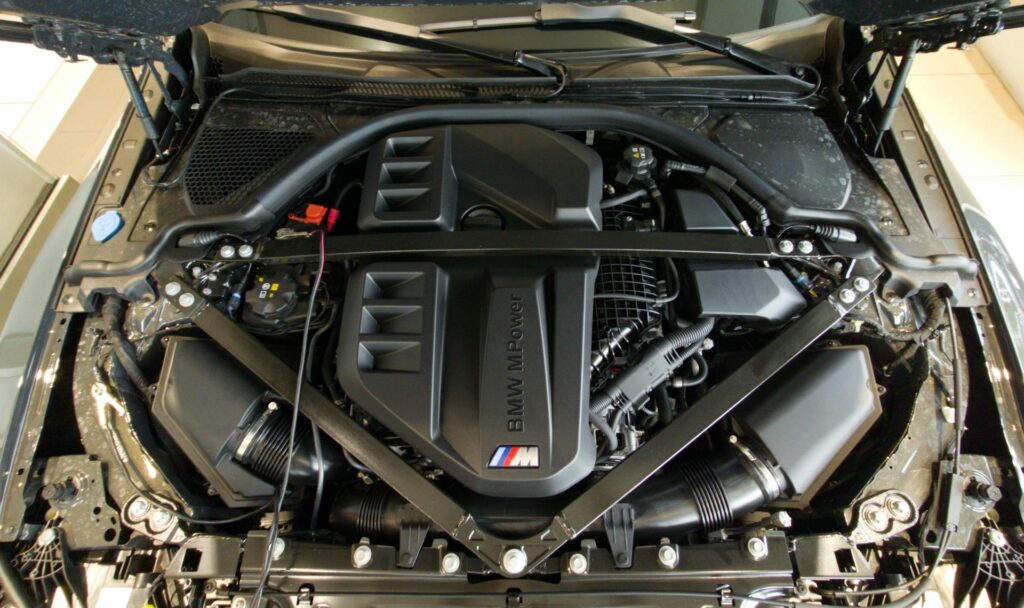
What are the most common BMW cold air intake problems?
Most BMW intake complaints fall into one or more of these categories:
- Check engine lights after installation
- Disappointment from heat soak or poor heat shielding
- Too much intake noise for daily driving
- Wrong expectations about horsepower gains
- Tuning confusion after install
- Fitment mistakes or buying the wrong kit for the engine or chassis
- Extra maintenance from oiled filters if the setup uses one
The point is not that intakes are bad. The point is that they are easy to buy for the wrong reasons.
1. Check engine lights after installation
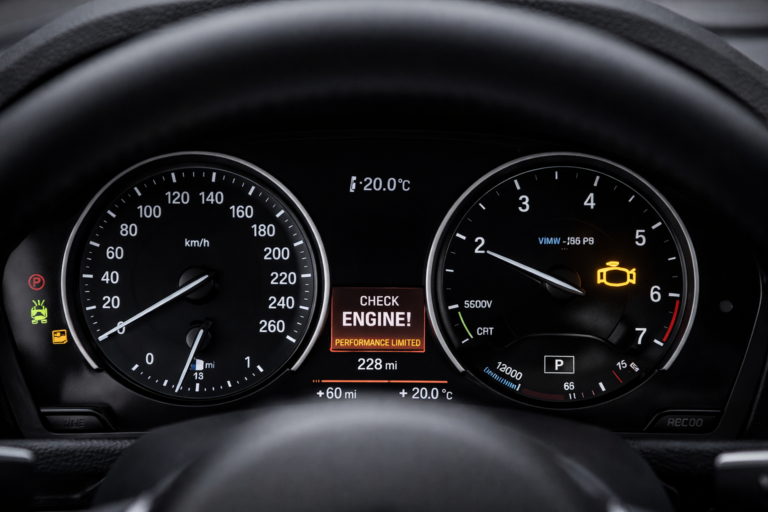
This is one of the biggest fears buyers have, and for good reason. A badly designed intake, poor installation, or sensor-related issue can trigger a check engine light after the install.
In many cases, the problem is not the idea of an intake itself. It is a bad fitment choice, a loose connection, or an install mistake that affects airflow readings.
Read this next: Cold Air Intake Install Mistakes That Trigger a CEL (and How to Avoid Them)
2. Heat soak and poor heat shielding can ruin the point of the upgrade
A lot of BMW owners buy an intake assuming it will automatically mean colder air and better performance. That is too simplistic.
If the design pulls in too much engine-bay heat, or the heat shielding is weak, the setup may be more about sound than measurable performance benefit. This is one reason sealed vs open intake design matters more than many buyers realize.
Related: Sealed vs Open BMW Intakes: Heat, Sound, and Daily Driving
3. The sound can be fun at first, then get old
Many people buy a cold air intake mainly for better turbo and induction sound. That is not a bad reason by itself. But it can become a regret if the car is a daily driver and the extra noise is more constant than expected.
This is especially true when buyers choose an intake based only on “which one sounds best” instead of thinking about how the car is actually used.
If the car is driven every day, what feels exciting on day one can feel tiring later.
4. Horsepower expectations are usually too high
This is another common regret. A lot of buyers expect major horsepower gains from an intake alone, then feel let down when the real-world change is smaller than expected.
Some BMW intakes can make sense as part of a broader setup, but buying one for dramatic gains by itself is usually the wrong expectation.
Related: Do Cold Air Intakes Add Horsepower on BMW? Realistic Gains + What Matters
5. Tuning confusion causes hesitation and bad decisions
A lot of owners hesitate because they are not sure whether the intake will require tuning, create drivability issues, or trigger a code without additional changes.
This uncertainty causes two types of mistakes: either people buy the wrong intake assuming it is plug-and-play, or they avoid a reasonable setup because they think every intake needs extra tuning.
Read this next: Do You Need a Tune After Installing a Cold Air Intake on BMW?
6. Fitment mistakes are more common than people think
BMW buyers get into trouble when they shop too broadly and do not match the intake to the correct engine, chassis, and model year.
This is one reason fitment-first shopping matters so much. An intake that works for one BMW engine family may not be the right choice for another, even if the cars sound similar in online content.
Related: How to Choose a Cold Air Intake for BMW (Fitment, Heat Shielding, Sound)
Specific example: BMW 330i Cold Air Intake: F30 vs G20 Fitment + Best Options + What to Avoid
7. Oiled filters can add maintenance risk if you are careless
Not every intake uses an oiled filter, but when they do, maintenance matters. Over-oiling or cleaning the filter carelessly can create avoidable problems, especially if you are sloppy with sensor-adjacent components.
This is not a reason to avoid every oiled filter. It is a reason to understand the maintenance tradeoff before buying.
Related: BMW Intake Filter Cleaning & Oiling: How Often + Avoid MAF Issues
What BMW owners regret most after installing an intake
The most common regrets are usually not catastrophic failures. They are bad buying decisions:
- Buying mainly for horsepower and getting mostly sound
- Choosing an intake that is too noisy for daily driving
- Ignoring heat shielding and design quality
- Buying without checking exact fitment
- Assuming every intake is equally safe from CEL issues
Most intake regret starts before install, not after. It starts with buying the wrong type of intake for your goals.
Does this mean a BMW cold air intake is not worth it?
Not necessarily. A cold air intake can still be worth it if you want better sound, cleaner engine-bay presentation, or a setup that makes sense for your build goals.
But if you want a quiet daily driver, minimal maintenance, low risk of hassle, and major horsepower gains from one part alone, an intake may not deliver what you expect.
This is exactly why comparing a full intake to a drop-in filter can be useful before buying.
Read this next: BMW Intake vs Drop-In Filter: Is a Full Intake Worth It?
If you still want an intake but want the lower-regret daily-driver path first, read this next: Best BMW Intake for Daily Driving: Sound, Heat, CEL Risk, and What to Avoid.
Final answer
The most common BMW cold air intake problems are check engine lights from install or fitment mistakes, disappointment from heat or noise, tuning confusion, and unrealistic expectations about performance gains.
The best way to avoid regret is simple: buy based on fitment, design quality, and how you actually use the car — not just on hype, sound clips, or promised gains.