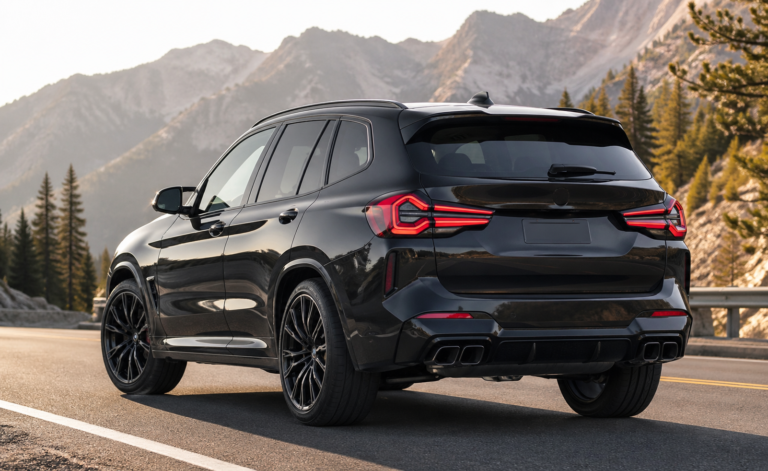
Best BMW Intake for Daily Driving: Sound, Heat, CEL Risk, and What to Avoid
The best BMW intake for daily driving is usually not the loudest one. It is the one that gives you the sound and fitment you want without creating more heat, more hassle, or more risk of a check engine light than the car is worth living with every day.
This is where a lot of BMW owners go wrong. They shop for the most aggressive intake sound, then realize later that daily driving has different priorities: cleaner fitment, lower CEL risk, better heat control, and less chance of regretting the upgrade a week later.
If your BMW is a real daily driver, the smarter intake choice is usually the one that balances sound, design quality, and low-hassle ownership instead of chasing the loudest possible setup.
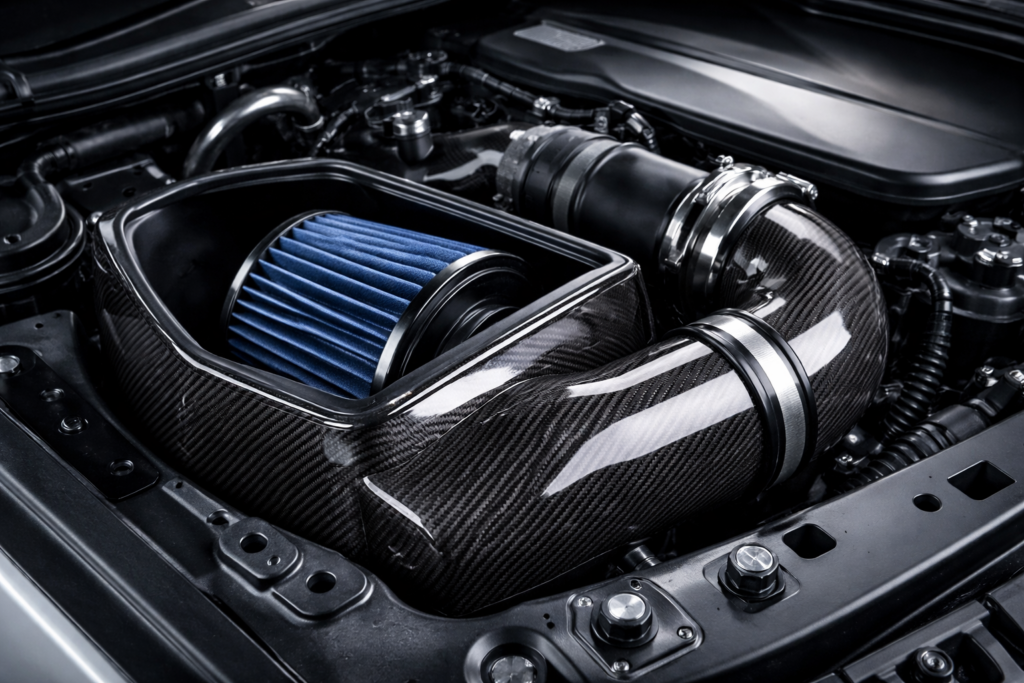
If you want to compare intake options by BMW fitment before buying, start here.
What makes an intake good for daily driving?
For a daily-driven BMW, the best intake is usually the one that gives you a noticeable upgrade without introducing unnecessary compromises.
That usually means looking for:
- Good fitment for your exact engine and chassis
- Solid heat shielding or a more controlled sealed design
- A sound increase that is enjoyable without becoming tiring
- Lower risk of install-related CEL issues
- A setup that does not require extra hassle to live with
Daily driving changes the buying logic. What works for someone chasing max sound on a weekend car is not always what makes sense for a BMW you commute in every day.
BMW Drop-In Filter vs Full Intake: Which Makes More Sense?
Before buying a complete intake, it is worth asking whether your BMW actually needs one. For some daily drivers, keeping the factory airbox and installing a BMW performance air filter is the simpler choice. For others, the added intake sound and more noticeable upgrade experience of a full intake are worth the extra cost.
The biggest difference is not usually huge horsepower. It is sound, design, appearance, price, and how much of the factory intake system you want to change.
| Feature | Stock Airbox + Drop-In Filter | Full BMW Intake |
|---|---|---|
| Cost | Lower | Higher |
| Installation | Usually very simple | More involved |
| Intake sound | Little to modest change | Usually much more noticeable |
| Engine-bay appearance | Mostly factory | Much more noticeable upgrade |
| Heat management | Retains factory airbox design | Depends heavily on intake design |
| Horsepower expectations | Keep expectations modest | Still should not be bought for huge gains alone |
| Maintenance | Similar to replacing a normal filter | Depends on filter and intake design |
| Best for | Owners wanting a low-cost, low-hassle change | Owners who want more sound and a more substantial upgrade |
What Is a BMW Drop-In Performance Air Filter?
A drop-in filter replaces the filter element inside the factory BMW airbox while leaving the rest of the intake system in place. Installation is usually much easier and less expensive than replacing the complete intake.
This approach keeps the factory airbox, factory ducting, factory sensor locations, and most of the original under-hood appearance. For an owner who mainly wants a reusable or higher-flow replacement filter without changing the character of the car, that simplicity can be an advantage.
The tradeoff is that a drop-in filter generally does not deliver the dramatic induction and turbo sound that many owners expect when they think about an intake upgrade.
How Much More Intake Sound Does a Full Intake Add?
BMW intake sound is one of the biggest reasons to choose a full intake instead of a replacement filter.
A performance filter inside the stock airbox may make the intake slightly more noticeable, but much of the sound is still contained by the factory housing. A full intake—especially a more open design—can make turbo spool, induction noise, and throttle changes considerably easier to hear.
That does not automatically make the louder option better. On a daily-driven BMW, the question is whether you actually want that extra sound every time you accelerate.
Will a Drop-In Filter Add Horsepower?
Do not buy a drop-in filter expecting a dramatic horsepower increase by itself. The factory BMW airbox is not automatically a major restriction simply because an aftermarket filter is available.
A different filter may change airflow characteristics, but actual power results depend on the engine, factory intake design, tuning, operating conditions, and the rest of the setup. For a stock daily driver, the more realistic reasons to consider one are simplicity, serviceability, and keeping the factory intake system intact.
The same caution applies to complete intakes. Some applications can respond better than others, particularly as power levels rise, but a street intake should not be purchased on the assumption that the box alone will transform the car’s performance.
Why the Stock BMW Airbox Can Be a Good Daily-Driver Choice
The stock airbox has several advantages that are easy to overlook when shopping for modifications. BMW designed it around the engine bay, factory airflow path, weather protection, filtration, sensor placement, and everyday operation.
Keeping it makes sense if you:
- Want the lowest-hassle setup
- Do not care much about louder induction sound
- Prefer the factory engine-bay appearance
- Are primarily interested in normal street driving
- Do not want to spend several hundred dollars mainly for sound and appearance
In that situation, a quality replacement filter—or simply a fresh factory-style filter—may make more sense than replacing the entire intake.
When Is a Full BMW Intake Worth It?
A complete intake starts making more sense when you want the experience of the modification, not merely a replacement air filter.
A full intake is the better fit if you:
- Want noticeably more turbo and induction sound
- Want a more upgraded-looking engine bay
- Prefer an intake designed specifically for your BMW engine and chassis
- Are willing to pay more for the complete system
- Understand that heat shielding and intake design still matter
- May be building the car beyond its completely stock configuration
For most daily drivers, this is the real decision: is the extra sound and upgrade experience worth the extra money and complexity?
Drop-In Filter vs Intake: Our Daily-Driver Pick
If you mainly want reliable daily driving and are satisfied with the way the BMW sounds, keeping the stock airbox is hard to argue against. A drop-in performance filter can be a simple option, but there is no need to replace a good factory filter solely because you expect a major performance gain.
If the goal is more intake sound, more turbo noise, and a modification you can actually notice every time you drive, a properly designed full intake is the more meaningful upgrade.
Once you decide that a complete intake is what you want, the next question becomes whether an open or sealed design makes more sense for your BMW. That is where heat control, sound level, and daily-driver compromises become much more important.
1. Sound matters, but too much sound can become a regret
Intake sound is one of the biggest reasons BMW owners upgrade in the first place. More turbo and induction noise can absolutely make the car more fun.
But daily driving changes the equation. If the intake is much louder than expected, or the sound is always present instead of only showing up under throttle, it can get old fast.
This is why daily drivers usually benefit from a more balanced setup rather than choosing purely by “which intake sounds best.”
Related: BMW Cold Air Intake Problems: CEL, Heat, Noise, and What Owners Regret
2. Sealed vs Open BMW Intakes: Heat, Sound, and Daily Driving
One of the biggest intake decisions for a daily-driven BMW is whether to choose a sealed or well-shielded intake or a more exposed open-filter design. Neither design is automatically right or wrong, but they emphasize different priorities.
For most daily drivers, the important differences are not dramatic horsepower claims. They are heat management, intake sound, fitment, and how consistently the setup behaves in everyday driving.
What Is a Sealed or Heat-Shielded BMW Intake?
A sealed intake places the air filter inside an enclosed airbox or uses substantial shielding to separate it from hot engine-bay air. Some designs are completely enclosed, while others use a heat shield and ducting to create a more controlled path for incoming air.
For a street-driven BMW, the advantage is usually better isolation from engine-bay heat and a more controlled intake setup, especially during traffic, idling, and repeated low-speed driving.
A sealed design does not necessarily mean the intake will be quiet. Many enclosed or well-shielded systems still add noticeable turbo and induction sound under throttle, but they generally place less emphasis on maximum filter noise than a fully exposed setup.
What Is an Open-Filter BMW Intake?
An open intake leaves more of the filter exposed inside the engine bay rather than enclosing it inside a complete airbox. Many still use some form of heat shield, but the filter itself is typically less isolated than it is in a fully enclosed design.
The biggest attraction is usually sound. Open designs tend to make induction noise, turbo spool, and other intake sounds easier to hear, which is exactly what many BMW owners want from the upgrade.
The tradeoff is that filter placement and heat shielding become more important. An exposed filter sitting in a hot part of the engine bay is a different design from an open intake that still uses effective shielding and a good supply of outside air.
Sealed vs Open BMW Intake: Quick Comparison
| Priority | Sealed / Well-Shielded Intake | Open-Filter Intake |
|---|---|---|
| Intake sound | Usually more controlled or refined | Usually louder and more noticeable |
| Engine-bay heat isolation | Generally stronger by design | Depends more heavily on filter location and shielding |
| Stop-and-go daily driving | Often the lower-compromise choice | Can expose the filter to more engine-bay heat depending on design |
| Highway driving | Good airflow with a controlled intake path | Moving airflow can reduce some of the low-speed heat concern |
| Maximum induction sound | Not usually the main priority | Often the stronger choice |
| Daily-driver balance | Usually the safer starting point | Best when sound is worth the tradeoff to you |
| What matters most | Airbox design, ducting, fitment, and sealing | Heat shielding, filter location, ducting, and fitment |
What About Heat Soak?
Heat soak becomes most noticeable when the car spends time sitting in traffic, idling, or moving slowly while heat builds under the hood. An intake that isolates the filter from that environment has an advantage over a poorly shielded filter exposed directly to engine-bay heat.
Once the car is moving, outside airflow changes the situation. That is why it is too simplistic to say that every open intake is automatically bad or that every sealed intake is automatically better. The quality of the complete design matters more than the label alone.
For a turbocharged BMW, intake design is also only one part of the temperature picture. The goal here is not to chase tiny temperature differences on paper. It is to choose a well-designed system that fits correctly, manages under-hood heat reasonably, and works well in the type of driving you actually do.
Which Design Makes More Sense for a Daily Driver?
Choose a sealed or well-shielded intake if:
- You drive the BMW every day
- You spend significant time in traffic or city driving
- You want more intake sound without making maximum volume the priority
- You care about a more controlled, lower-regret setup
- You would rather prioritize heat management and fitment over the loudest possible sound
Consider an open-filter intake if:
- Induction and turbo sound are major reasons you are buying an intake
- You understand that open designs vary significantly in heat shielding and filter placement
- You are willing to trade some refinement for a more aggressive intake sound
- The specific kit has good fitment and a sensible heat-management design for your BMW
The important part is not choosing “sealed” or “open” based on the label alone. Look at the complete intake: filter location, shielding, ducting, fitment, installation quality, and how you actually use the car.
For most daily-driven BMWs, a proven sealed or well-shielded system is the easier starting point. But a well-designed open intake can still make sense when stronger induction sound is one of your main goals.
3. Lower CEL risk should matter if the car is your daily
If your BMW is your daily driver, avoiding unnecessary headaches matters. That is why CEL risk should be part of the buying decision, not an afterthought.
A good intake choice is not just about whether the part looks impressive. It is also about whether the kit fits correctly, installs cleanly, and is less likely to create airflow or sensor-related issues.
Related: Cold Air Intake Install Mistakes That Trigger a CEL (and How to Avoid Them)
Also read: Do You Need a Tune After Installing a Cold Air Intake on BMW?
4. The best daily-driver intake is usually the one with the fewest bad surprises
This is the easiest way to think about it.
For daily driving, the “best” intake is often not the most extreme one. It is the one that avoids the most common mistakes:
- Too much noise for everyday use
- Poor heat control
- Confusing fitment
- Higher CEL risk from bad design or install issues
- Buying mainly for horsepower expectations that never really show up
If the setup gives you better sound, solid fitment, and fewer hassles, that is usually the smarter daily-driver win.
5. How to Choose the Right BMW Intake for Daily Driving
Once you have decided that a full intake makes sense for your BMW, narrow the choices in the right order. Start with exact fitment, then decide what you want from the intake, and only then compare brands and prices.
Confirm Your BMW Chassis and Engine First
Do not shop by model name alone. BMW can use different engines, intake layouts, sensors, and mounting points across different generations of the same model.
Before ordering an intake, verify:
- Your exact BMW model and model year
- Your chassis generation
- Your engine family
- xDrive or rear-wheel-drive fitment if the manufacturer lists them separately
- Any sensor, breather, or connection requirements for your application
This is especially important when shopping for modified BMWs because a part listed broadly for a 330i, M340i, X3, or other model may not fit every generation or engine used under that badge.
Decide What You Want the Intake to Change
Next, decide what you actually want from the upgrade. For most daily-driven BMWs, the choice usually comes down to one or more of these priorities:
- More induction and turbo sound: a more open design will usually make the biggest difference.
- Daily-driver balance: prioritize fitment, sensible heat shielding, manageable sound, and low hassle.
- Cleaner engine-bay appearance: look for a well-integrated system designed specifically for your chassis and engine.
- A higher-power build: consider airflow capacity and compatibility with the rest of the setup rather than buying for sound alone.
- Minimum compromise: the factory airbox or a drop-in filter may still be the better choice.
Use the Complete Design to Make the Final Choice
After fitment and goals are clear, compare the actual intake designs. Do not choose one simply because it is labeled “cold air,” uses an exposed filter, or comes from the most familiar brand.
Look at the complete system: filter location, heat shielding, outside-air ducting, sensor placement, installation quality, sound level, and how the intake will behave in the type of driving you actually do.
| If You Prioritize… | Start With… |
|---|---|
| Low-hassle daily driving | Stock airbox, drop-in filter, or well-shielded intake |
| More sound without going extreme | Sealed or well-shielded performance intake |
| Maximum turbo and induction sound | Well-designed open-filter intake |
| Higher-power modifications | Application-specific intake with appropriate airflow capacity |
The safest buying order is simple: confirm fitment → decide how much sound and compromise you want → compare intake design → choose the specific kit. That approach is much more reliable than picking a brand first and trying to make the rest of the decision fit around it.
What to avoid when choosing a BMW intake for daily driving
If your goal is daily-driver comfort and fewer regrets, avoid these mistakes:
- Choosing the intake only for the loudest sound clip
- Ignoring heat shielding and intake design
- Assuming every intake is equally safe from CEL issues
- Buying for horsepower expectations alone
- Skipping exact engine and chassis fitment checks
Most intake regret starts with a bad buying decision, not a bad part by itself.
Who should choose a quieter or more balanced BMW intake?
A more balanced intake usually makes more sense if:
- The car is driven daily
- You spend real time on the highway
- You want more sound, but not constant noise
- You care more about lower hassle than maximum induction drama
- You want a cleaner fitment-first buying path
That buyer is usually better off with a more controlled setup than the loudest open intake available.
Choose the right BMW intake path next
If you already know daily driving is your priority, the next step is choosing the most relevant intake page for your BMW instead of browsing too broadly.
- Drive a G20 330i? Best BMW G20 330i Intake for Daily Driving
- Drive an M340i? Best BMW M340i Intake for Daily Driving
- Drive and X3 M40i? BMW X3 M40i intake guide
- Buying for a B58 platform? Best BMW Intake for B58 Daily Driving
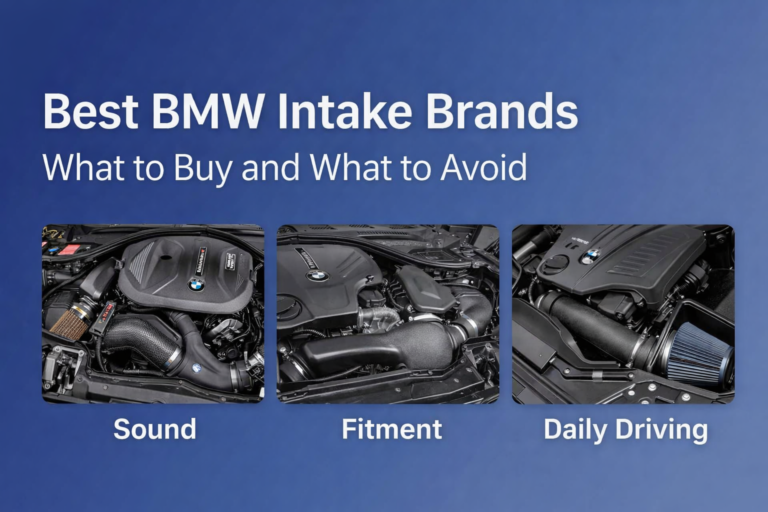
- Still comparing brands first? Best BMW Intake Brands
Final answer
The best BMW intake for daily driving is usually the one that balances sound, heat control, fitment, and lower CEL risk rather than the one that makes the most noise. For most daily-driven BMWs, a smarter intake choice is the one that adds enjoyment without adding headaches.
If you want the best chance of buying the right intake the first time, shop by fitment first and avoid choosing purely from hype, sound clips, or horsepower promises.
If you want to compare fitment-first intake options, start here.