BMW Cooling System Problems by Model: What Fails and When
BMW cooling system issues are one of the most common problems owners face as their vehicles age. While BMW engines are designed for performance and efficiency, their cooling systems operate under high heat and pressure, which leads to predictable failures over time.
This guide explains why BMW cooling systems fail, the most common components that go bad, warning signs to watch for, and how to decide whether a repair is urgent or manageable.
Why BMW Cooling Systems Fail
BMW cooling systems are engineered with lightweight materials and tight tolerances. While this improves efficiency and performance, it also makes components more vulnerable to heat cycles and aging.
Common contributing factors include:
- Plastic cooling components exposed to constant heat
- Turbocharged engines generating higher temperatures
- Pressurized cooling systems
- Age-related material fatigue rather than mileage alone
Many cooling failures occur suddenly, even if the vehicle was running fine the day before.
Most Common BMW Cooling System Problems
Water Pump Failure
Modern BMWs often use electric water pumps, which fail differently than traditional mechanical pumps.
Common symptoms:
- Sudden overheating warnings
- Reduced power or limp mode
- Cooling fan running at full speed
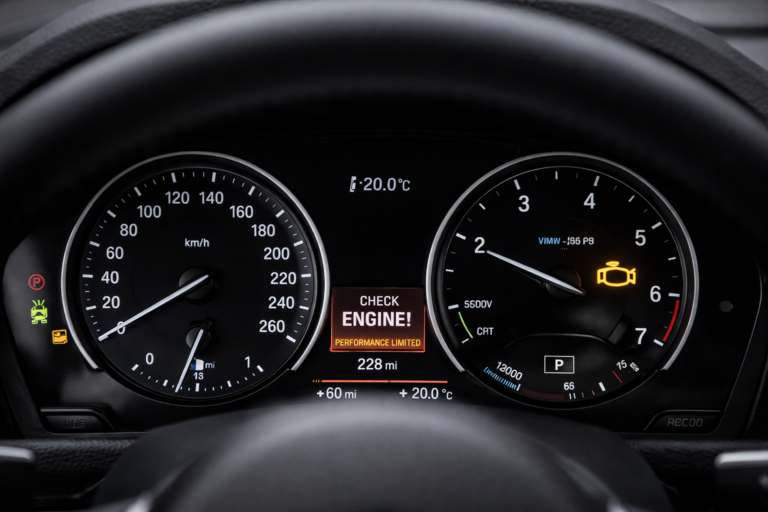
- Check engine or drivetrain warnings
Electric water pumps can fail without warning, making this one of the most critical cooling components to monitor.
Thermostat Issues
BMW thermostats regulate engine temperature precisely. When they fail, the engine may run too hot—or never reach proper operating temperature.
Signs of thermostat problems:
- Engine overheating
- Slow warm-up times
- Poor fuel economy
- Check engine light related to temperature regulation
Thermostat failures often occur alongside water pump issues.
Expansion Tank Cracks
The expansion tank manages coolant pressure and volume. On many BMWs, it is made of plastic and becomes brittle over time.
Warning signs:
- Coolant smell without visible leaks
- Low coolant warnings
- Small cracks that worsen under pressure
Expansion tank failures are common and often overlooked until coolant loss becomes frequent.
Radiator and Hose Leaks
Radiators and hoses degrade gradually but can fail suddenly.
Typical issues include:
- Cracks in plastic radiator end tanks
- Hose swelling or splitting
- Slow coolant seepage that becomes an active leak
These problems are more common as BMWs age, especially in high-heat environments.
Cooling Problems by BMW Generation (General Trends)
While exact failures vary by model, some trends are consistent:
- Older naturally aspirated BMWs: Cooling components often fail due to age and brittle plastics
- Turbocharged BMWs: Higher heat accelerates water pump and thermostat wear
- Higher-mileage vehicles: Multiple cooling components may fail within a short period
Preventive maintenance becomes increasingly important as BMWs get older.
Warning Signs You Shouldn’t Ignore
Pay attention to these symptoms:
- Temperature warnings or overheating alerts
- Repeated low coolant messages
- Sweet or burning coolant smells
- Steam from the engine bay
- Sudden limp mode activation
Ignoring cooling warnings can quickly lead to engine damage.
DIY vs Professional Repair
DIY-friendly repairs (model dependent):
- Expansion tank replacement
- Hose inspection and replacement
- Coolant level monitoring
Shop-recommended repairs:
- Water pump replacement
- Thermostat replacement
- Diagnosing repeated overheating issues
Knowing which component is failing helps prevent unnecessary part replacements.
How Diagnostics Help Identify Cooling System Problems
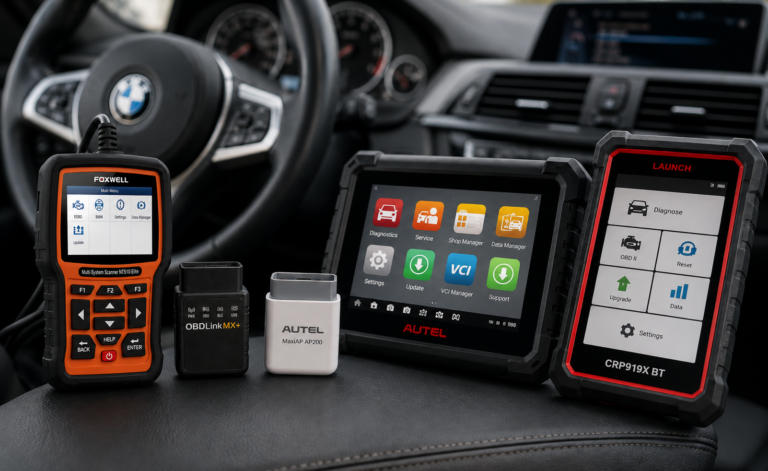
BMW-specific diagnostic tools can reveal temperature regulation faults, pump activation errors, and thermostat-related codes that aren’t visible with basic scanners.
Diagnostics help confirm whether a cooling issue is mechanical, electrical, or sensor-related.
Final Thoughts
Cooling system failures are common on BMWs, but most problems are manageable when identified early. Understanding which components fail most often allows owners to prioritize repairs and avoid costly engine damage.
Staying proactive with diagnostics and maintenance is the best way to keep a BMW running reliably as it ages.