Best BMW Brake Pads for Street Driving: Quiet, Low-Dust Options
This page contains affiliate links. If you buy through them, we may earn a commission at no extra cost to you.
BMW brake pads are not one-size-fits-all. The best BMW brake pads for street driving depend on your chassis, brake package, driving style, and whether you care more about low dust, quiet braking, or stronger bite.
For most street-driven BMWs, the right brake pad is not a full race pad. Daily drivers usually need a balanced pad that works cold, stays quiet, does not destroy rotors, and keeps brake dust under control.
This guide breaks down how to choose BMW brake pads for daily driving, including low-dust BMW brake pads, quiet street pads, OEM-style replacement pads, street performance pads, brake pad wear sensors, and fitment mistakes to avoid before ordering.
How this guide is built: This guide focuses on BMW fitment, daily-driving tradeoffs, owner mistakes, and clean buying paths instead of listing every pad available. The goal is to help BMW owners avoid the wrong brake pad, not just push the most aggressive option.
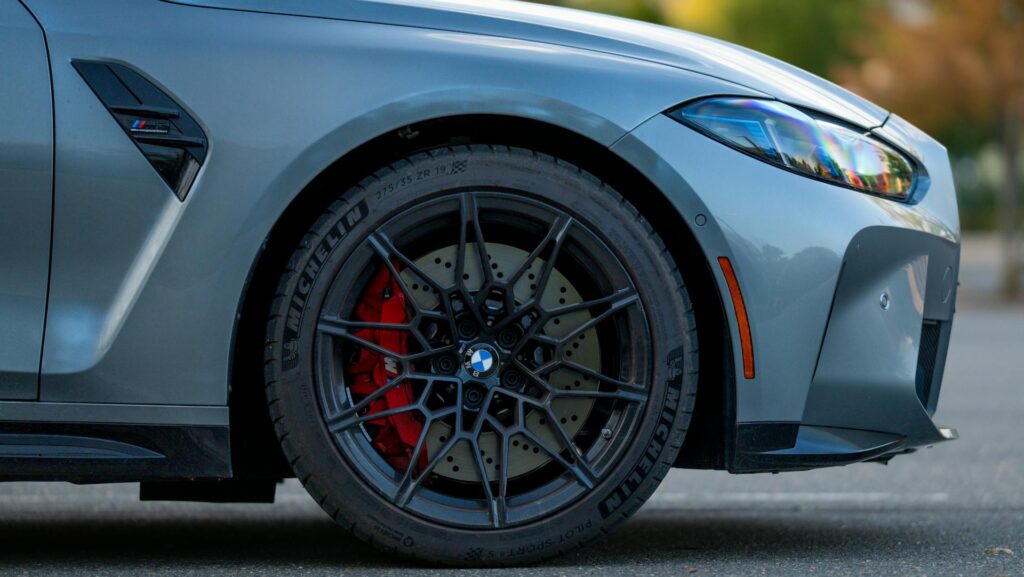
Best BMW Brake Pads at a Glance
If you want the quick version, choose BMW brake pads based on how you actually drive.
- Best for most BMW daily drivers: street-focused replacement pads
- Best for less brake dust: low-dust BMW ceramic-style pads
- Best for quiet commuting: comfort-focused BMW street pads
- Best for stronger bite: BMW street performance pads
- Best to avoid for normal street use: race pads
- Important add-on: BMW brake pad wear sensors, if your car uses them
For a normal street BMW, start with Street or Replacement-style brake pad options first. Only move into Street & Track pads if you are willing to accept more dust, more noise, more rotor wear, or less comfort during normal commuting.
BMW Brake Pad Fitment Matters
Do not buy BMW brake pads by model name alone. Fitment can change based on chassis, year, trim, brake package, rotor size, and whether the car has standard brakes or an upgraded M Sport-style brake setup.
This is especially important on cars like the 330i, M340i, X3 M40i, and M models where brake packages can vary. Two BMWs with similar badges may not always use the same pads.
Before ordering, confirm:
- Your BMW chassis and model year
- Front vs rear brake pad fitment
- Standard brakes vs M Sport or upgraded brakes
- Whether brake pad wear sensors are needed
- Whether the pad compound matches your driving style
If you are not sure, use the vehicle selector and fitment notes before ordering. This is not a place to guess.
Coming soon: BMW Owner Maintenance & Upgrade Tracker
I’m testing interest in a simple Google Sheets and printable PDF tracker for BMW owners. Use it to organize service history, repair costs, scanner codes, warning lights, brake/tire/battery notes, parts, upgrades, and upcoming maintenance.
Planned launch price: $17. Join early access to be notified if the first version launches.
Start Here: What’s Your Goal?
- Clean wheels + minimal maintenance: low-dust ceramic street pads.
- Quiet + smooth daily driving: refined street pads designed to reduce squeal.
- More bite for spirited street driving: “performance street” pads (more dust/noise tradeoffs).
Recommended path for most people: choose your goal, then shop by fitment. Don’t guess your brake package.
What to Look for in BMW Street Brake Pads
Not all pads are designed with daily driving in mind. Here’s what matters on the street.
Low Brake Dust
Many factory pads are aggressive and produce heavy dust. Street-focused pads prioritize cleaner wheels and reduced residue.
Quiet Operation
Squealing at low speeds is a common complaint. Quality street pads minimize noise when cold and during stop-and-go driving.
Smooth Cold Bite
Daily drivers need predictable braking without warm-up. Track-focused pads often perform poorly when cold and aren’t ideal for street use.
Rotor-Friendly Materials
Some aggressive pads wear rotors quickly. Good street pads balance safe stopping power with long rotor life.
Best BMW Brake Pads for Street Driving (By Use Case)
Brake pad availability depends on your BMW chassis and brake package. Use these categories to choose the right direction, then confirm fitment before ordering.
Low-Dust BMW Brake Pads for Daily Driving
Low-dust BMW brake pads are usually the best starting point for owners who care about clean wheels, quiet operation, and comfortable daily driving.
They are a good fit if your BMW is mostly used for commuting, errands, highway driving, and normal street use. The tradeoff is that some low-dust pads may feel less aggressive than performance pads, especially if you are used to strong factory bite.
- Best for BMW daily drivers and commuters
- Usually quieter than aggressive street or track pads
- Often produce less visible BMW brake dust
- May not feel as sharp as more aggressive performance pads
If your main complaint is dirty wheels, start here before looking at aggressive street performance pads.
Quiet BMW Brake Pads for Commuting
If your BMW is used mostly for commuting, comfort matters. A quiet BMW brake pad should work well when cold, avoid annoying squeal, and feel predictable in stop-and-go traffic.
This is where many owners overbuy. A more aggressive pad may sound better on paper, but it can be noisier, dustier, and less pleasant during normal street driving.
For commuting and daily use, look for street-focused or replacement-style BMW brake pads before considering Street & Track or Race compounds.
OEM-Style Replacement Pads
Best for: drivers who want factory-like braking behavior and a familiar feel.
- Stock daily drivers
- Warranty-conscious owners
- People who want “same feel, fewer downsides”
BMW Street Performance Brake Pads
BMW street performance brake pads are for owners who want stronger bite than a basic replacement pad while still keeping the car usable on public roads.
This can make sense for spirited backroad driving, heavier BMWs, or owners who want a more confident pedal feel. The tradeoff is that some street performance pads can create more dust, more noise, and more rotor wear than comfort-focused daily-driver pads.
- Best for stronger street braking feel
- Useful for spirited driving
- May create more brake dust and noise
- Can be overkill for quiet commuting
If your BMW is only used for normal commuting, do not automatically choose the most aggressive pad. More aggressive does not always mean better for street driving.
For drivers considering more aggressive handling upgrades, suspension setup plays a major role in overall braking feel—especially when comparing street-focused and track-focused configurations.
Ceramic vs Semi-Metallic Brake Pads for BMWs
Ceramic pads are the most popular choice for street BMWs because they:
- Produce less dust
- Operate quietly
- Offer smooth braking feel
Semi-metallic pads provide:
- Stronger bite
- Better heat handling
- More dust and noise
For most daily drivers, ceramic pads are the better choice unless spirited driving is a priority.
If you are deciding between pad types before you buy, read this next: BMW Brake Pads: Ceramic vs Semi-Metallic for Street Driving.
Do You Need BMW Brake Pad Wear Sensors?
Many BMWs use brake pad wear sensors. If the sensor has already been triggered, it usually needs to be replaced along with the pads. Reusing a worn-through sensor can leave the brake warning light on even after new pads are installed.
This is where a lot of DIY owners get caught. They replace the pads, reset the warning, and then wonder why the brake light does not clear. If the sensor was already tripped, inspect or replace it during the brake job.
Before ordering brake parts, see our BMW brake pad wear sensor replacement guide for sensor location, replacement cost, reuse guidance, and what to do when the sensor has already been triggered.
For more detail, read the BMW brake pad sensor reset guide and the BMW brake pad warning light guide.
Tools to Have Before Replacing BMW Brake Pads
If you plan to inspect or replace BMW brake pads yourself, make sure you can lift the car safely first. A proper BMW jack pad adapter, jack stands, wheel chocks, and torque wrench are basic garage tools for this job.
Start with the BMW jack pad adapter and jacking tools guide before removing wheels or working around the brakes.
If the brake warning light is already on, you may also need a BMW-capable scanner or service reset tool. See the BMW diagnostic tool guide for scanner options.
If you are planning to do more of your own BMW maintenance, it helps to build a basic tool setup first. The BMW tools and garage essentials guide covers the core scanner, jacking, battery, and maintenance tools worth owning.
Will Aftermarket Brake Pads Affect My BMW Warranty?
Aftermarket brake pads do not automatically void a BMW warranty, but brake-related warranty claims can get complicated if the wrong pad causes noise, rotor damage, uneven wear, or braking issues.
For normal street driving, use reputable street-oriented pads and confirm fitment before ordering. Avoid race pads or aggressive compounds unless your BMW is actually used in conditions that justify them.
Avoid track-focused pads for normal commutingbuying, start here.
Choose pads designed for street use
Confirm front/rear fitment before ordering
Check whether brake pad wear sensors are needed
Final Recommendation
For most street-driven BMWs, avoid race pads and start with a daily-friendly street pad. If brake dust is your main complaint, look for low-dust BMW brake pad options. If you want stronger bite for spirited driving, compare street performance pads but expect more compromise.
The most important step is fitment. Confirm your chassis, brake package, front or rear application, and sensor needs before ordering. The wrong BMW brake pad is not just annoying; it can waste money and create safety issues.
A good BMW brake pad should match how you actually drive. Quiet commuting, low dust, and strong street bite are different goals. Pick the pad type that solves your real problem, then verify fitment before buying.