BMW Brake Pad Wear Sensor: Replacement, Symptoms & How It Works
A BMW brake pad wear sensor is a small electrical sensor that helps warn the driver when the brake pads are approaching their service limit. If the sensor has been triggered, damaged, or worn through, replacing the brake pads alone may not be enough to clear the brake warning.
BMW brake pad sensors are relatively simple parts, but they create plenty of confusion: Which wheel has the sensor? Does it always need replacement with new pads? Can you reuse one that has not triggered? And why does the warning sometimes stay on after the sensor has been replaced?
This guide explains how the BMW brake pad wear sensor works, when it needs replacement, where sensors are typically located, common installation mistakes, replacement cost, and what to do after the new sensor is installed.
This page contains affiliate links. If you buy through them, we may earn a commission at no extra cost to you.

BMW Brake Pad Wear Sensor: Quick Answer
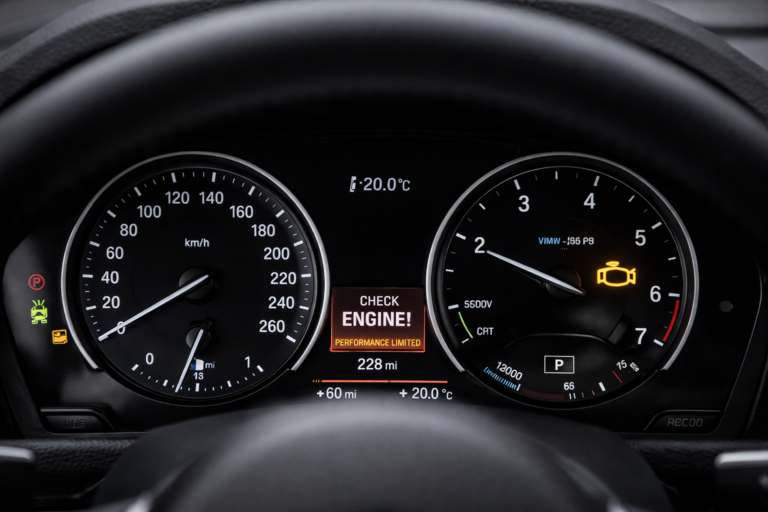
The BMW brake pad wear sensor monitors brake-pad wear at selected wheel positions. When the pad wears far enough for the sensor to be damaged or triggered, the vehicle can display a brake-pad service warning.
If the sensor has already been triggered or physically damaged, plan to replace it along with the necessary brake pads. If the pads are being replaced before the sensor has contacted the rotor and the sensor remains undamaged, whether it can be reused depends on its condition and the specific BMW application.
| Situation | What to Do |
|---|---|
| Brake warning is on and pads are worn | Inspect pads and plan on replacing the triggered wear sensor |
| Pads replaced early and sensor is undamaged | Inspect carefully before deciding whether to reuse it |
| Sensor wire is cut, pinched, or rubbed through | Replace the sensor |
| New pads and sensor installed | Complete the appropriate BMW brake-service reset |
| New sensor installed but warning remains | Check installation, wiring, connector, axle, and reset procedure |
What Is a BMW Brake Pad Wear Sensor?
A BMW brake pad wear sensor is an electrical wear indicator installed with selected brake pads. The sensor is routed from the brake pad area to an electrical connector on the vehicle.
As the brake pad friction material wears down, the wear sensor eventually reaches its designed trigger point. Once that happens, the brake-service monitoring system can alert the driver that the pads need attention.
The sensor does not measure the exact thickness of every brake pad on the vehicle. It is a warning device at specific monitored wheel positions, which is why you should still inspect the complete set of pads and rotors rather than relying only on the dashboard message.
If you are starting with a dashboard warning and are not yet sure whether the problem is the pads, sensor, or something else, see our BMW brake pad warning light guide.
How Does the BMW Brake Pad Sensor Work?
The basic idea is mechanical wear triggering an electrical warning. The sensor is positioned with the brake pad so that continued pad wear eventually affects the sensor itself.
Once the sensor has reached that wear point, the vehicle can recognize that brake service is due. At that stage, simply installing new pads without addressing the worn sensor can leave you with a warning that will not reset correctly.
This is why the brake pad wear sensor should be considered part of the brake-service inspection rather than an unrelated electronic component.
BMW Brake Pad Wear Sensor Symptoms
A bad or triggered BMW brake pad sensor can produce several obvious clues.
- Brake-pad service warning in the instrument cluster or iDrive
- Brake warning that appeared as the pads became worn
- Warning that remains after new brake pads were installed
- Visible damage to the sensor wire or connector
- Sensor wire rubbing against a wheel, suspension component, or brake hardware
- Reset procedure will not complete after brake service
These symptoms do not prove that the sensor is the only problem. Always confirm actual brake-pad condition before treating the warning as an electrical issue.
Where Is the BMW Brake Pad Wear Sensor Located?
BMW does not necessarily use a wear sensor at every wheel. Many BMW brake systems use a sensor at selected front and rear wheel positions rather than four identical sensors.
The exact BMW brake pad wear sensor location depends on the chassis, model year, brake package, and front or rear axle. Do not order sensors based only on the model badge.
| Before Ordering | Why It Matters |
|---|---|
| Confirm BMW chassis/model year | Sensor design and connector can vary between generations |
| Confirm front vs rear | Front and rear sensors are often different parts |
| Confirm brake package | Standard, M Sport, and other brake setups may use different parts |
| Inspect the existing sensor | Confirms location, routing, connector, and whether it has been damaged |
| Check parts by VIN or exact fitment | Reduces the chance of ordering the wrong sensor |
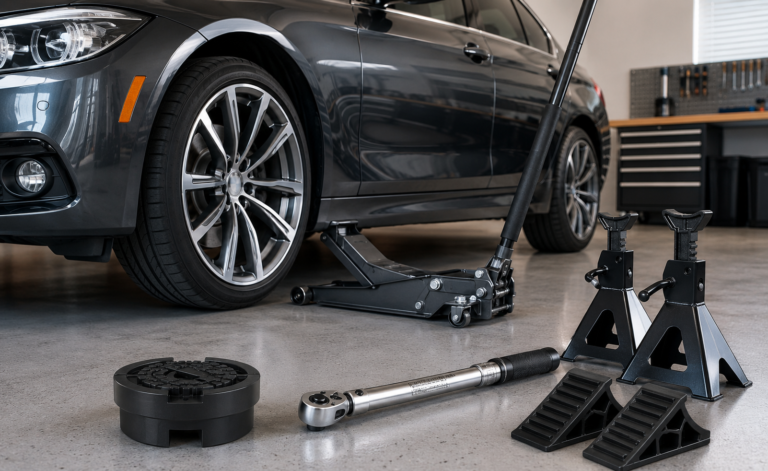
If you need to remove a wheel to inspect the sensor, use the correct BMW lifting points and equipment. Our BMW jack pad adapter and jacking tools guide covers the basic lifting setup.
When Does a BMW Brake Pad Wear Sensor Need Replacement?
The safest rule is simple: replace the sensor if it has been triggered, worn, damaged, or cannot be removed without damage.
| Sensor Condition | Replace? |
|---|---|
| Warning already triggered from pad wear | Yes |
| Sensor tip visibly worn or damaged | Yes |
| Wire insulation damaged | Yes |
| Connector damaged | Yes |
| Sensor broke during removal | Yes |
| Pads replaced early and sensor remains completely intact | Inspect before deciding |
Wear sensors are inexpensive compared with the overall cost of a brake job, so many owners and technicians replace them during pad service rather than risk reassembling the brakes with an old, brittle, or questionable sensor.
Can You Reuse a BMW Brake Pad Wear Sensor?
Sometimes—but only if the sensor has not been triggered or damaged.
If the pads are replaced early, before the sensor reaches the rotor, the sensor may still be physically intact. In that situation, inspect the sensor tip, wire, retaining points, and connector carefully.
Reusing the sensor makes less sense when:
- The brake-pad warning was already active
- The sensor shows visible wear
- The wire has become brittle
- The sensor is difficult to remove cleanly from the old pad
- The retaining clips or connector are damaged
- You are unsure whether the sensor has already reached its trigger point
If you are already performing the brake job and the sensor is questionable, replacing it is usually cheaper than putting everything back together and then troubleshooting a warning that refuses to clear.
BMW Brake Pad Wear Sensor Replacement
BMW brake pad sensor replacement is usually straightforward once the wheel and brake area are accessible, but routing the new wire correctly is important.
The exact procedure varies by chassis, so use service information for your BMW. At a high level, the process typically looks like this:
- Safely raise and support the BMW.
- Remove the appropriate wheel.
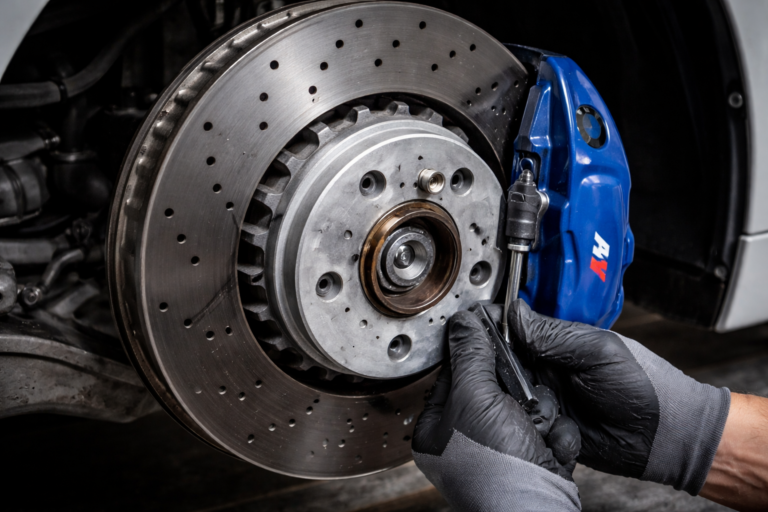
- Locate the brake pad wear sensor. Note where it clips into the pad and how the wire is routed.
- Take a photo before removing anything. This gives you a routing reference.
- Disconnect the electrical connector.
- Release the wire from its retaining clips.
- Remove the old sensor from the brake pad.
- Install the new sensor.
- Route the new wire through the original retaining points.
- Reconnect the electrical connector.
- Double-check clearance from the tire, wheel, suspension, and moving brake components.
- Reinstall the wheel and complete the brake-service reset when appropriate.
The sensor wire should follow the intended factory-style path. Do not leave excess wire hanging loose simply because the connector reaches.
BMW Brake Pad Sensor Replacement Cost
The sensor itself is usually one of the least expensive parts of a BMW brake service. Replacement sensors commonly cost roughly $15 to $50 each, depending on the BMW, brand, front or rear application, and whether you choose aftermarket, OE-supplier, or Genuine BMW parts.
The total repair cost depends more on why the sensor is being replaced.
| Repair Situation | Typical Cost Consideration |
|---|---|
| DIY sensor replacement during pad service | Usually just the cost of the sensor plus normal brake-service parts |
| Sensor replaced by shop during pad service | Usually a relatively small addition to the overall brake job |
| Sensor-only shop visit | Labor and diagnostic minimums can cost much more than the sensor itself |
| Pads + sensor at a repair shop | Often several hundred dollars per axle depending on model, pads, and labor rate |
| Pads + rotors + sensor | Higher because the sensor is only one small part of the full brake service |
If the brake pads are already due, replacing the wear sensor at the same time is much more efficient than paying for a separate visit later.
Do You Need Brake Pads and a Sensor, or Just the Sensor?
Do not replace the sensor without inspecting the brake pads that caused the warning.
| What You Find | Likely Repair |
|---|---|
| Pads worn and sensor triggered | Replace pads and sensor |
| Pads worn and rotors also below specification | Pads, rotors, sensor, and normal related hardware as required |
| Pads healthy but sensor wire physically damaged | Sensor may be the only failed component |
| New pads already installed but old triggered sensor reused | Replace sensor, then perform the correct reset |
| New pads and sensor but warning remains | Diagnose installation/reset problem instead of buying more pads |
If you do need pads, see our Best BMW Brake Pads for Street Driving guide for daily-driver options and tradeoffs.
You can also compare ceramic vs semi-metallic BMW brake pads if low dust, noise, and street performance are priorities.
Common BMW Brake Pad Sensor Installation Mistakes
1. Reusing a Sensor That Already Triggered
If the sensor reached its wear point and triggered the warning, installing new pads while leaving the old sensor in place can prevent the service from being completed properly.
2. Routing the Sensor Wire Incorrectly
The wire must be kept away from the tire, wheel, suspension movement, brake rotor, and other areas where it can rub or become pinched.
Taking a photo of the factory routing before removing the original sensor is one of the simplest ways to avoid this mistake.
3. Failing to Fully Seat the Connector
A loose or partially connected electrical connector can leave you troubleshooting the dashboard warning even though the new sensor itself is fine.
4. Damaging the New Sensor During Installation
Do not force the sensor into the pad or pull aggressively on the wiring. Compare the new sensor with the old one and confirm that the part and fitment are correct before installation.
5. Resetting Before the Brake Work Is Complete
The service reset should come after the pads, sensor, wiring, and connectors have been inspected and the required brake work is complete.
What to Do After Replacing the BMW Brake Pad Sensor
After the brake pads and wear sensor have been replaced correctly, the BMW brake-service reminder may need to be reset.
The exact procedure varies by BMW generation, cluster, and model. Some vehicles allow the service item to be reset through the instrument-cluster procedure, while a capable diagnostic scanner can also support brake-service functions on many BMWs.
We keep the actual reset process separate so this sensor guide stays focused on the physical sensor and replacement. Follow our BMW brake pad sensor reset procedure after the brake work is complete.
New BMW Brake Pad Sensor but Warning Is Still On?
If the brake pads and sensor have already been replaced but the warning will not clear, do not assume the new sensor is automatically defective.
Check:
- Whether the replacement sensor is correct for the vehicle and axle
- Whether the sensor connector is fully seated
- Whether the wire was damaged or pinched during installation
- Whether another axle still needs brake service
- Whether the brake-service reset procedure was completed correctly
- Whether the vehicle still sees a valid brake-service condition
If the reset has already been attempted and the warning remains, use our dedicated BMW brake warning still on after reset troubleshooting guide.
BMW Brake Pad Wear Sensor FAQ
Do BMW brake pad wear sensors need to be replaced with the pads?
If the sensor has been triggered, worn, or damaged, replace it with the brake pads. If the pads are replaced before the sensor has been triggered and the sensor is completely undamaged, inspect it carefully before deciding whether reuse makes sense.
How much does a BMW brake pad wear sensor cost?
The sensor itself is usually inexpensive compared with the rest of the brake service. Many BMW wear sensors sell in roughly the $15 to $50 range, although exact pricing depends on the model, axle, and brand.
Can I reuse a BMW brake pad sensor?
Only consider reuse if the sensor has not been triggered, worn, or damaged. If the brake warning was already active or the sensor tip or wiring shows damage, replace it.
Does every BMW wheel have a brake pad wear sensor?
No. Many BMW brake systems monitor selected wheel positions rather than fitting an identical wear sensor to every wheel. Exact front and rear sensor locations depend on the BMW chassis and brake setup.
Why is my BMW brake warning still on after replacing the sensor?
Possible causes include incorrect sensor fitment, a loose connector, damaged wiring, another axle that still needs service, or an incomplete brake-service reset. Diagnose the completed brake job before replacing good parts again.
Can a BMW scanner reset the brake pad sensor warning?
Many BMW-capable diagnostic tools support service-reset functions, but the brake work and sensor installation should be completed correctly before attempting the reset. A scanner cannot repair a triggered sensor or worn brake pads.
Final Recommendation
If your BMW brake pad wear sensor has triggered, treat it as part of the brake service rather than trying to reset the dashboard warning first. Inspect the pads, rotors, sensor, wire routing, and connector before ordering parts.
If the pads are worn and the sensor has been triggered or damaged, replace both with parts matched to your exact BMW. Route the new sensor exactly as intended, complete the brake job, and then perform the appropriate service reset.
If the pads and sensor are already new but the warning refuses to clear, stop replacing parts and move to installation and reset troubleshooting.
Related BMW Brake Guides
- BMW Brake Pad Warning Light: Meaning & What to Do
- Best BMW Brake Pads for Street Driving
- BMW Brake Pads: Ceramic vs Semi-Metallic for Street Driving
- BMW Brake Pad Sensor Reset: Step-by-Step After a Pad Change
- BMW Brake Warning Still On After Reset? What It Usually Means
- Best BMW Jack Pad Adapter and Jacking Tools